(The order is based on the agreed time.)
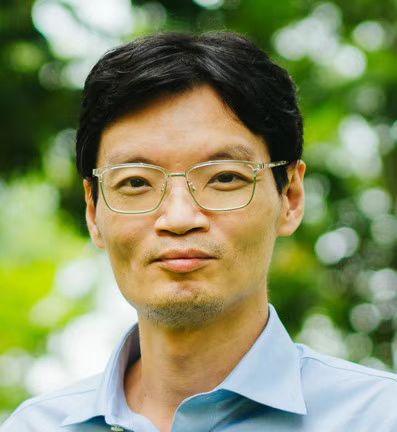
Dr. Wong Lung Hsiang is a Senior Education Research Scientist at the
Centre for Research in Pedagogy and Practice, National Institute of
Education, Nanyang Technological University (NTU), and an Adjunct
Professor at Universitas Negeri Malang, Indonesia. He received his
Ph.D. from NTU in 1998, specialising in AI in education and
intelligent learning systems.
His research spans AI in education, mobile seamless learning,
computer-supported collaborative learning, and educational
technology. He developed the influential 10 Dimensions of Mobile
Seamless Learning (10D-MSL) framework, which has been widely cited
internationally. His recent work has extended this line of inquiry
to human–AI collaboration through the Meta-Task Awareness (MTA)
framework, which examines how learners and educators evaluate,
reshape, and co-develop learning tasks during interaction with AI.
His current research also explores generative AI and AI-mediated
learning.
He has led numerous funded projects on mobile-assisted learning and
AI-supported education. He is a recipient of the APSCE Distinguished
Researcher Award (2015) and is recognised among the top 2% of
researchers worldwide.
Dr. Wong is a former President of the Asia-Pacific Society on
Computers in Education (APSCE) and has held leadership positions in
several international academic organisations.
Speech Title: When AI Increasingly “Fishes” for Learners: Meta-Task Awareness and the Reframing of Learning Tasks in the Age of AI
Abstract: Generative AI is becoming increasingly capable of
“fishing” for learners—not merely providing answers, but also
contributing to ideation, reasoning, creation, evaluation, and
revision. Many cognitive processes traditionally embedded in
learning tasks can consequently be compressed, bypassed, or
delegated to AI. The educational challenge, therefore, extends
beyond preventing learners from becoming overly dependent on AI. A
more fundamental question arises: When AI changes how tasks can be
accomplished, should learners still be expected to perform the same
tasks in the same ways?
This keynote introduces the framework of Meta-Task Awareness (MTA)
and illustrates its central propositions across different learning
and educational contexts. MTA concerns not only how humans judge AI
outputs, but also whether, during human–AI collaboration, they
remain aware of what task is actually being pursued, interrogate and
justify AI-generated task framings while simultaneously scrutinising
their own assumptions, and consequently accept, reject, hybridise,
or reframe the evolving task. When AI introduces an unexpected
direction, it may expose limitations in the AI, but it may equally
reveal blind spots in human thinking. Human agency, therefore, does
not necessarily lie in continually directing or resisting AI, but in
retaining the capacity to judge and reconstruct tasks as they evolve
through interaction.
The keynote concludes by considering the implications of MTA for
learning design, assessment, and teacher development in the AI era.
The educational challenge may not be to wage a “war to defend old
tasks”, but to redesign tasks that remain worthy of learners’
judgement, thinking, and meaning-making - and to nurture their
capacity to exercise these qualities in sustained collaboration with
AI.

Zhixian Zhong, Level 2 Professor, Doctoral Supervisor, and Chief Professor at Jiangxi Normal University; selected for a national-level talent program; recipient of the Special Government Allowance awarded by the State Council. Currently serving as Director of Institute of Teacher Education For Advance Study, Jiangxi Normal University, and Dean of Institute of Digital Transformation for Education. Primary research areas include educational digitalization, instructional and training design, teacher education, and digital humanistic education.
钟志贤:江西师范大学首席教授、国家级"新世纪百千万人才工程"人选,国务院政府特殊津贴专家、教师教育高等研究院院长。
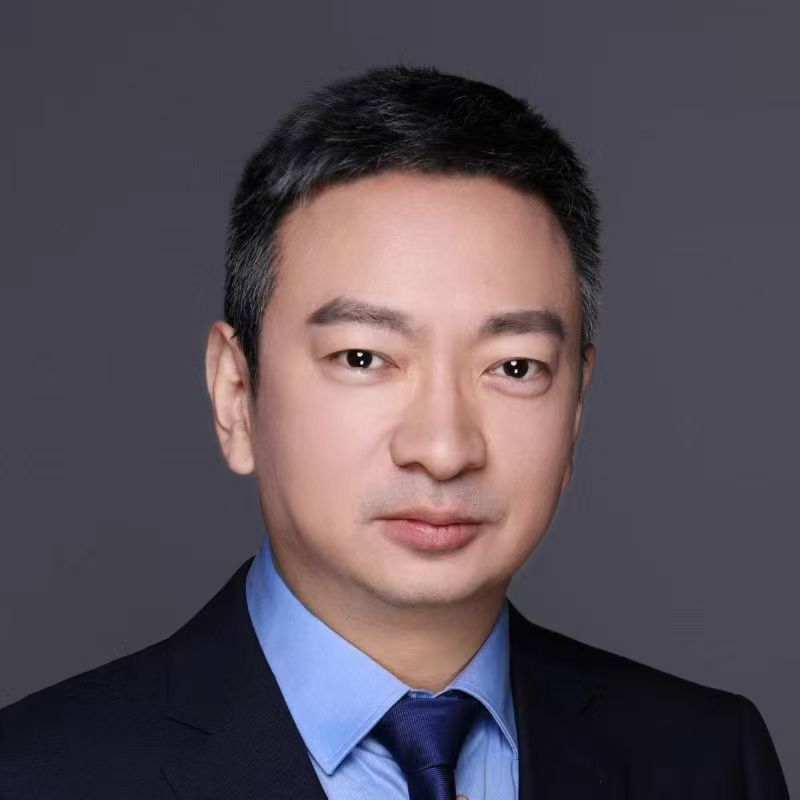
Prof. Di Wu is currently a professor of the Department of Artificial
Intelligence Education, Central China Normal University. He is the
deputy director of the China's National Engineering Research Center
For E-Learning, executive deputy director of the Education
Informatization Strategic Research Base, Ministry of Education,
P.R.C.
Prof. Wu also serves as a member of the Education Informatization
Expert Group of the Ministry of Education, the deputy Chairman of
the Technical (information technology, general technology) Teaching
Guidance Committee of the Basic Education Teaching Steering
Committee of the Ministry of Education.
Prof. Wu's research interests include digital education development
policy and evaluation, digital literacy of teachers and students. He
is the principal drafter of the China's national standard: Digital
Literacy for Teachers. He has presided over a number of research
projects and has been funded by National Science Foundation of
China, National Social Science Foundation of China.

Jutta Treviranus is the Director of the Inclusive Design Research Centre (IDRC) and professor in the faculty of Design at OCAD University in Toronto (http://idrc.ocadu.ca ). Jutta established the IDRC in 1993 as the nexus of a growing global community that proactively works to ensure that our digitally transformed and globally connected society is designed inclusively. Dr. Treviranus also founded an innovative graduate program in inclusive design at OCAD University. Jutta is credited with developing an inclusive design methodology that has been adopted by large enterprise companies such as Microsoft, as well as public sector organizations internationally.
Speech Title: Adaptability and Difference in a World Transformed by AI
Abstract: The education sector is still grappling with the pervasive and disruptive incursion of artificial intelligence into the domain. The opportunities and risks are numerous and in rapid flux. How do we support our students to thrive in a world with ubiquitous AI? What is the impact of mechanized statistical reasoning for people outside the statistical average? How do we avoid mono-cultures and preserve necessary adaptability? What educational conventions should we automate and delegate to AI and what should we re-imagine? What is trustworthy, and what are our accountability obligations as educators? This keynote will examine the complex adaptive system inexorably affected by emerging technologies and strategies to prepare the next generation.
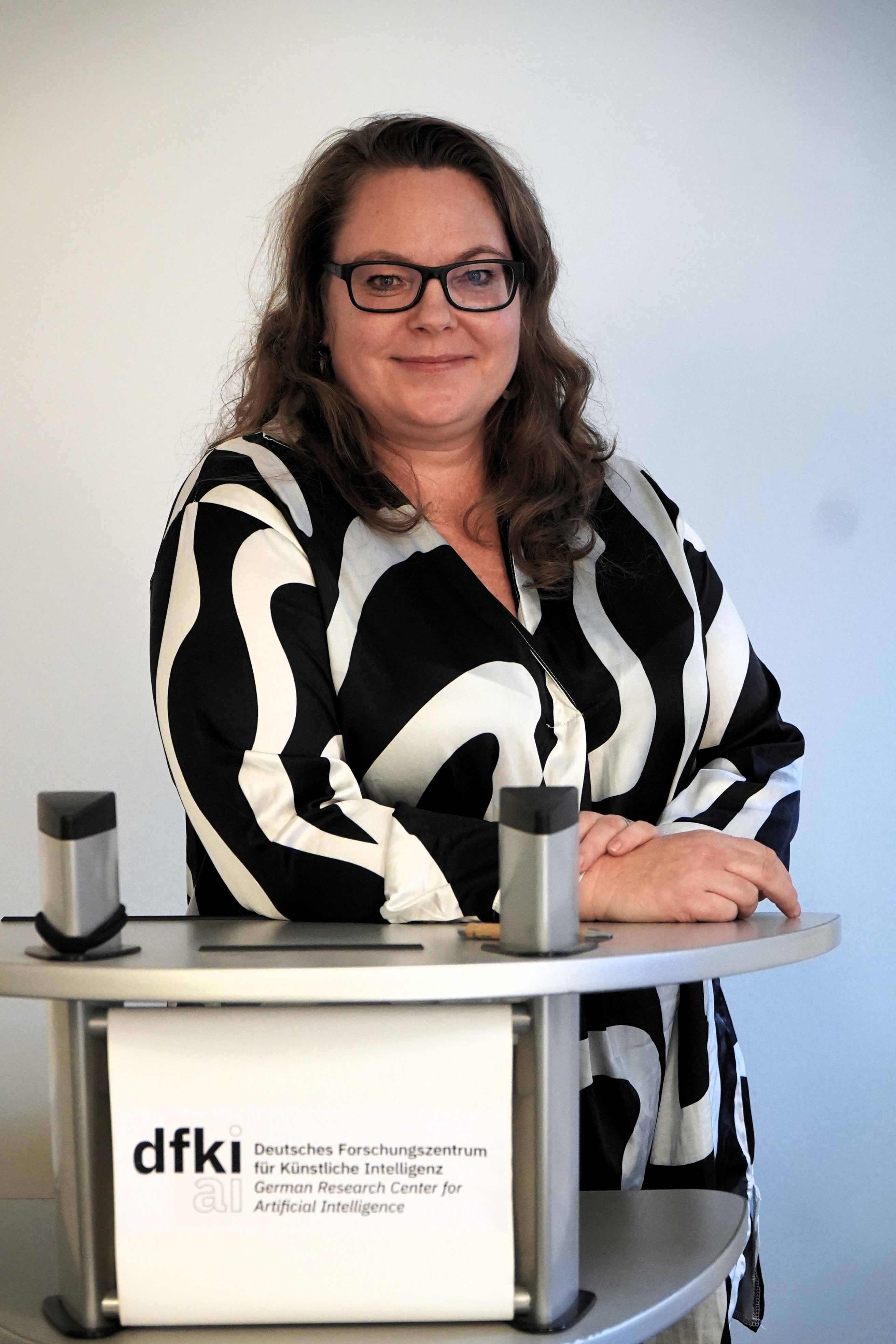
Dr. Berit Blanc is a senior researcher at the Educational Technology Lab of the German Research Center for Artificial Intelligence (DFKI). A communications scientist with a PhD, she specialises in the digital transformation of learning ecosystems. Her expertise is based on more than 20 years’ experience in the fields of media, public opinion and educational research at universities and public or private research institutes. Dr Blanc’s work combines empirical social research with futures studies to analyse AI’s impact on education. She leads the "Trend Monitor AI in Education" (Deutsche Telekom Foundation), analysing current AI trends in German schools, regulatory frameworks, STEM education and mental health. As part of a global expansion of her research, she worked with guest researcher Prof Zhi Liu (Central China Normal University) on a comparative study of AI in schools in Germany and China. Her extensive project portfolio includes the INVITE meta-project, which examined standards for innovative digital continuing education, as well as her current work on the ‘AI Compass Inclusive’ project to establish a competence centre for AI-supported assistance and workplace inclusion. By combining social research with state-of-the-art educational technology, Dr Blanc provides unique insights into how AI can promote learning, social inclusion, and professional participation in schools, universities, and the modern workplace.